Entrusting your dog or cat to a professional groomer is a deeply personal decision. More than a cosmetic luxury, grooming is a foundational component of physical comfort, skin health, and infection prevention. A skilled, patient groomer acts as a frontline health observer, often detecting ear infections, skin tumors, tick infestations, or dental trouble long before they become emergencies.
1. Salon Grooming vs. Mobile Grooming: Choosing the Right Environment
Before booking an appointment, consider which operating environment matches your pet's personality, anxiety level, and your household schedule:
- Full-Service Grooming Salons: Traditional brick-and-mortar storefronts with dedicated washing stations, hydraulic tables, and drying rooms. They often offer flexible drop-off and pickup windows, competitive pricing, and multi-staff teams. However, they can be stimulating or noisy for dogs reactive to other animals.
- Mobile Grooming Vans: Fully self-contained luxury vans that park directly outside your home. Mobile groomers provide strictly 1-on-1, cage-free attention with zero contact with unfamiliar animals. They are exceptionally beneficial for senior pets, anxious dogs, cats, or busy pet parents who cannot make two round trips to a salon.
2. Essential Safety Questions to Ask Before Your First Visit
A high-caliber professional will gladly welcome questions about their background and protocols. When contacting a potential groomer, ask:
- What certifications or training do you hold? While grooming licensing varies by municipality, reputable groomers often hold credentials from organizations like the National Dog Groomers Association of America (NDGAA), International Professional Groomers (IPG), or Fear Free Pet Certified professionals.
- What is your drying protocol? Heated cage dryers without timers or safety shut-offs carry severe heatstroke risks. Ask if they use room-temperature airflow, ambient crate dryers, or hand blow-dryers only.
- How do you handle fearful or reactive pets? Inquire whether they offer desensitization visits, break up appointments when pets become stressed, or use humane low-stress handling methods.
- What are your vaccination requirements? Ethical facilities require current Rabies, Distemper (DHPP), and Bordetella vaccinations for dogs, and FVRCP for cats to safeguard every pet in their care.
3. What to Look for During a Facility Walkthrough
Whenever possible, inspect the salon in person. Look for:
- Cleanliness and Ventilation: Good airflow without overwhelming chemical or ammonia smells. Tables and tubs should be sanitized between clients.
- Calm Handling: Observe how groomers speak to and handle the pets currently on their tables. Gentle, firm, and patient interaction is standard.
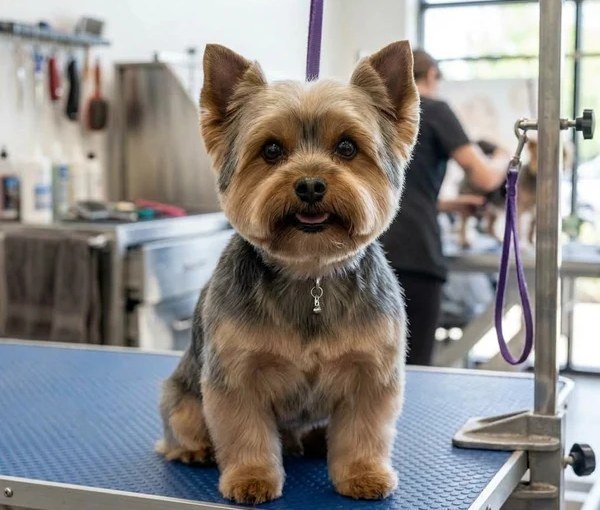
- Sturdy Restraints and Non-Slip Mats: Grooming loops, belly straps, and textured table mats protect pets from slipping or leaping off high hydraulic tables.
4. Recognizing Red Flags
Walk away immediately if a facility refuses to disclose their drying methods, insists on sedating animals without veterinary supervision (which groomers cannot legally prescribe), exhibits dirty, hair-clogged holding cages, or displays impatient handling.
Routine grooming helps maintain hygiene and skin health, but is not a substitute for veterinary diagnosis or medical care. If you notice pain, significant redness, discharge, sores, swelling, ear odors, or other signs of illness, contact your veterinarian immediately. Groomers cannot prescribe medications or perform veterinary medical procedures.
Ready to Find a Trusted Groomer Near You?
Explore verified pet salons and mobile grooming vans with client reviews, transparent pricing, and instant booking availability.
Sources & Professional Guidelines
- National Dog Groomers Association of America (NDGAA) Standards of Care & Sanitation Protocols.
- American Veterinary Medical Association (AVMA) Companion Animal Preventive Healthcare Guidelines.
- Fear Free Pets: Low-Stress Handling & Emotional Welfare Guidelines for Professional Groomers.