There is no single universal grooming interval that applies to all dogs. How often your canine companion needs professional grooming depends on their coat genetics, daily activity, length of haircut, and the consistency of your home brushing routine.
1. Curly, Wool & Low-Shedding Coats (Every 4 to 6 Weeks)
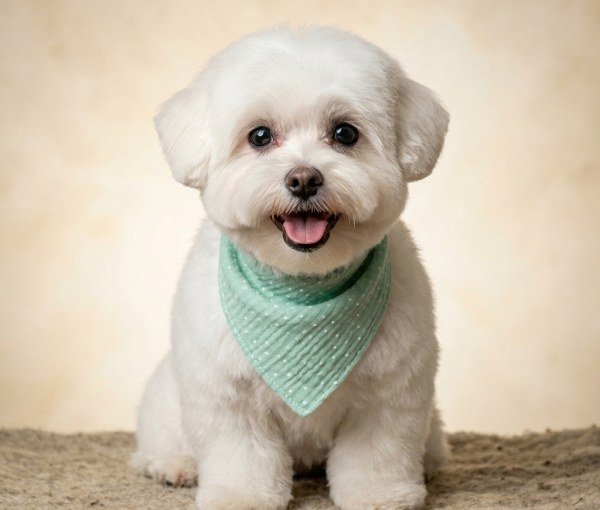
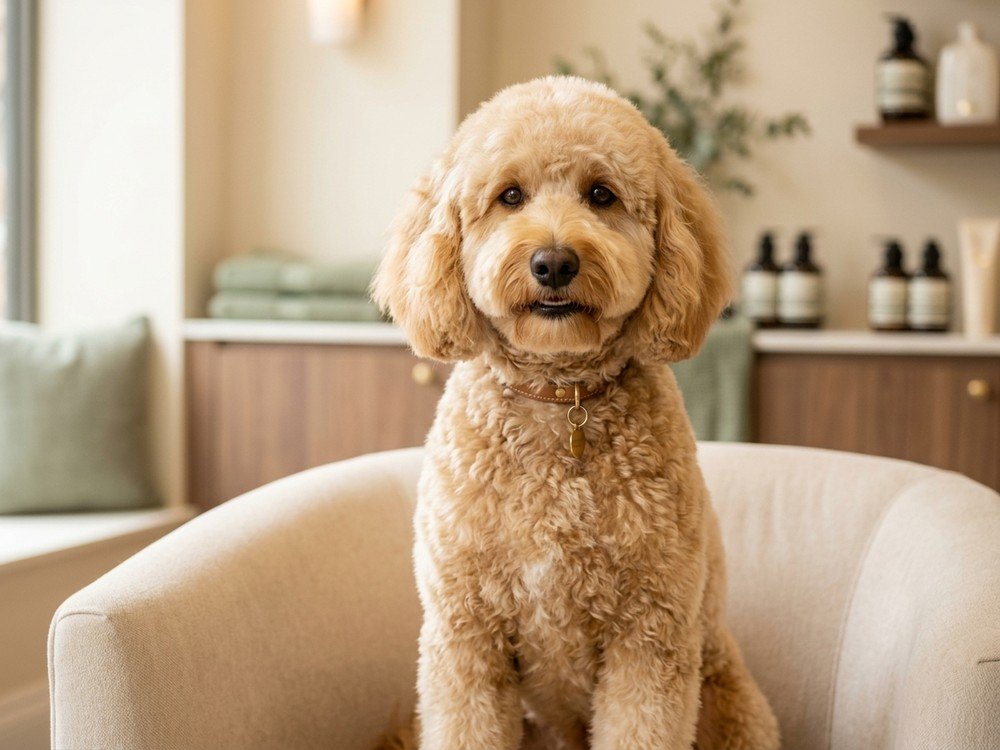
Breeds including Goldendoodles, Labradoodles, Poodles, Bichon Frises, and Portuguese Water Dogs have hair that grows continuously rather than shedding out naturally. Dead hairs become trapped within the living curls, rapidly forming dense friction mats behind the ears, armpits, and collar lines.
To maintain a soft, fluffy teddy-bear coat, professional appointments every 4 to 6 weeks—combined with daily line brushing at home—are essential.
2. Heavy Double Coats (Every 6 to 8 Weeks)
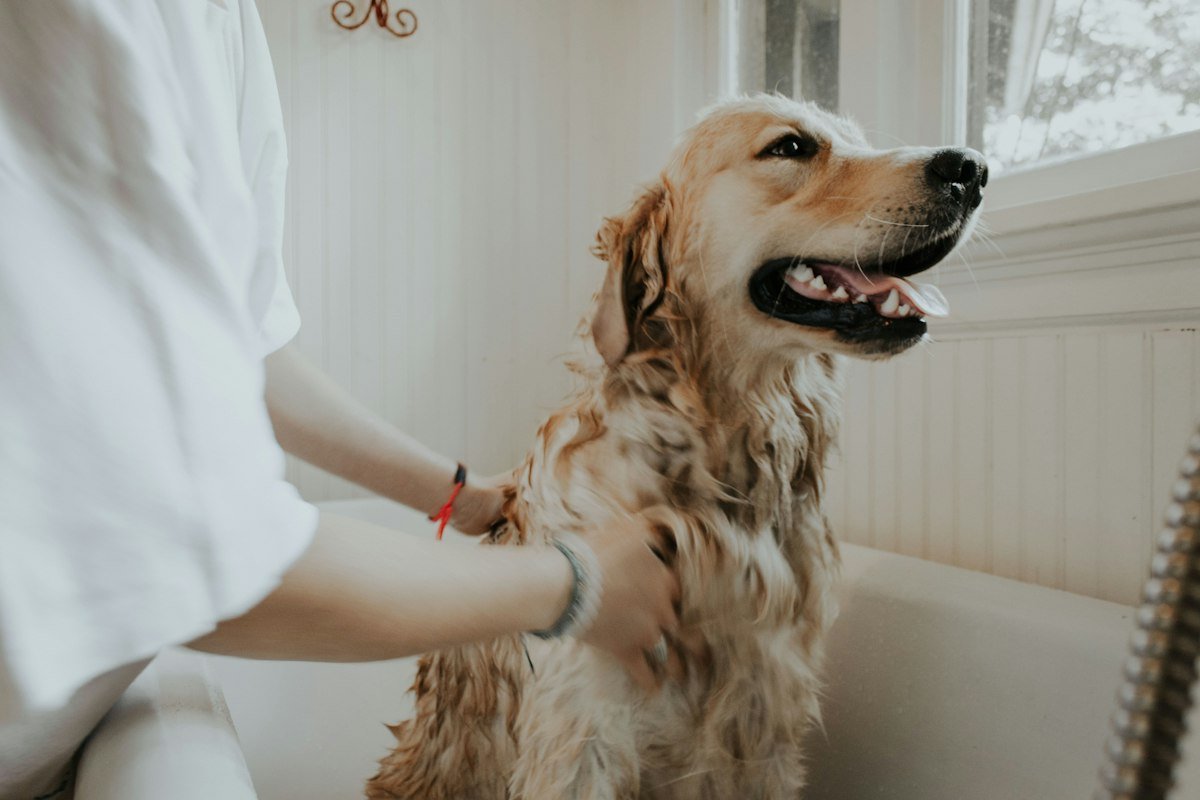
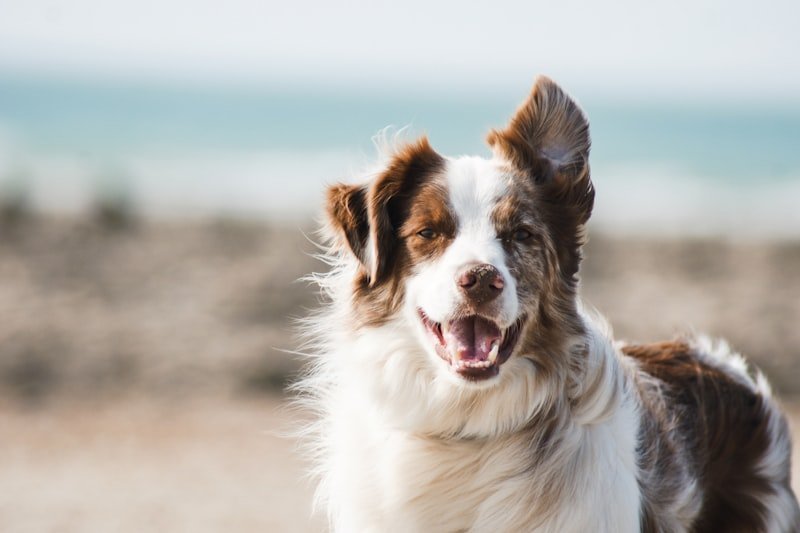
Golden Retrievers, German Shepherds, Siberian Huskies, Australian Shepherds, and Great Pyrenees have a soft, dense insulating undercoat protected by water-repellent guard hairs.
Crucial Rule: Never shave a healthy double-coated dog. Shaving compromises their natural thermal insulation against both winter cold and summer heat, exposes vulnerable skin to UV radiation and sunburn, and frequently results in permanent post-clipping alopecia. Instead, schedule a professional deshedding treatment with a high-velocity blowout every 6 to 8 weeks.
3. Silky Long Coats (Every 4 to 6 Weeks)
Yorkshire Terriers, Shih Tzus, Maltese, and Cavalier King Charles Spaniels have fine hair that easily tangles and catches outdoor debris. Owners who prefer short "puppy cuts" typically schedule maintenance appointments every 4 to 6 weeks. Those keeping full show coats require professional trims and weekly bathing.
4. Short Smooth Coats (Every 8 to 12 Weeks)
Boxers, Pugs, French Bulldogs, Pitbulls, and Beagles require minimal clipping, but benefit substantially from a professional bath, nail grinding, and ear cleansing every 2 to 3 months. Monthly nail trims are critical to avoid posture deformities.
Routine grooming helps maintain hygiene and skin health, but is not a substitute for veterinary diagnosis or medical care. If you notice pain, significant redness, discharge, sores, swelling, ear odors, or other signs of illness, contact your veterinarian immediately. Groomers cannot prescribe medications or perform veterinary medical procedures.
Find a Local Dog Groomer Near You
Keep your dog on a healthy routine schedule. Compare top local salons and mobile groomers in your neighborhood.
Sources & Professional Guidelines
- National Dog Groomers Association of America (NDGAA) Standards of Care & Sanitation Protocols.
- American Veterinary Medical Association (AVMA) Companion Animal Preventive Healthcare Guidelines.
- Fear Free Pets: Low-Stress Handling & Emotional Welfare Guidelines for Professional Groomers.